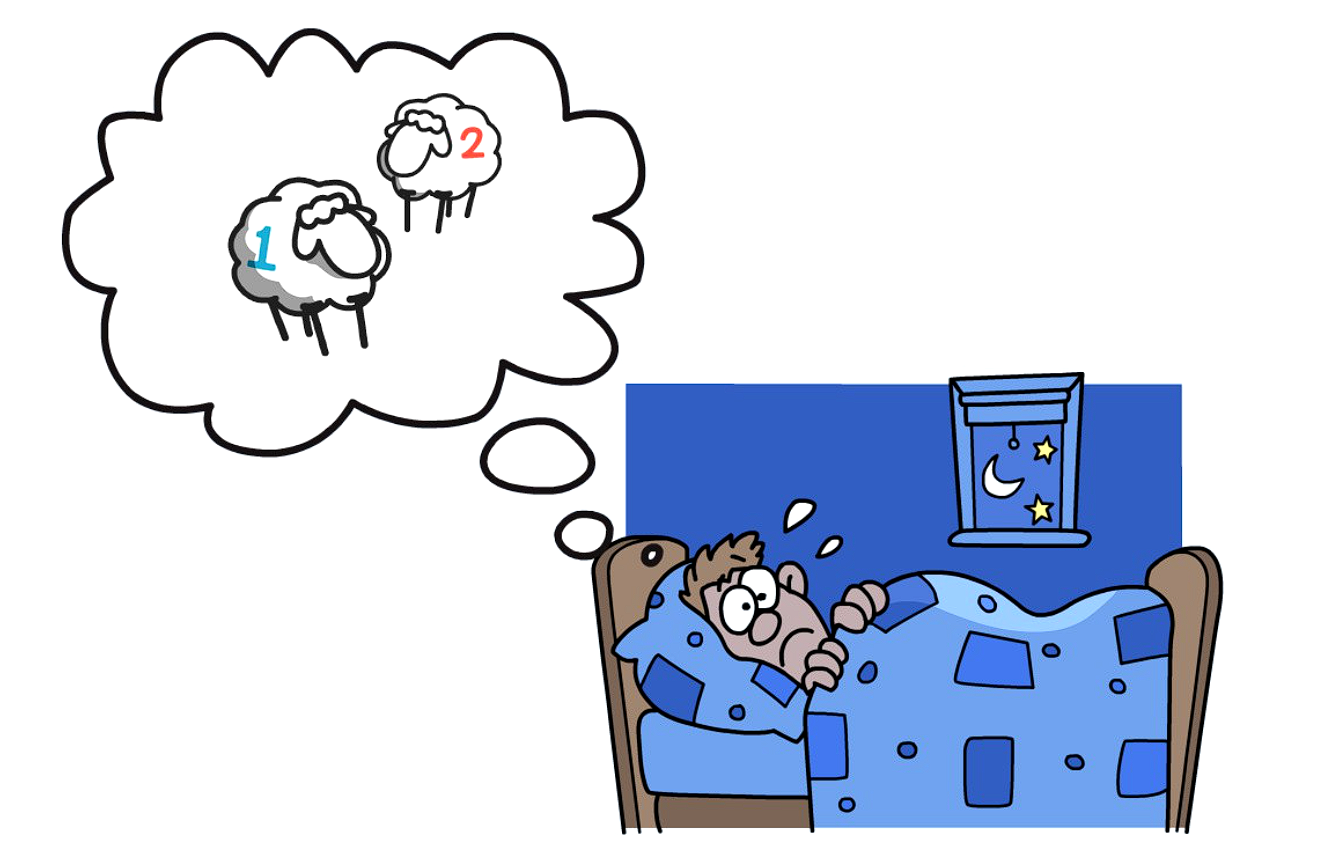
Does this feel familiar? You’ve finally crawled into bed, your body is exhausted, but your brain suddenly decides it’s the perfect time to remind you about that email you didn’t answer three days ago. Or that Spanish course you bought six months ago and haven’t even opened.
Why does our mind act like a relentless debt collector, demanding attention to trivial details exactly when we need peace? It’s not a coincidence, and it’s not a sign that something is wrong with you. It’s one of our most powerful survival mechanisms, which has turned into a source of constant stress in the modern world.
Today, we’re breaking down the Zeigarnik Effect. You’ll learn how your brain manipulates your attention, why Netflix shows keep you hooked, and how to finally close the tabs in your head to reclaim your energy.
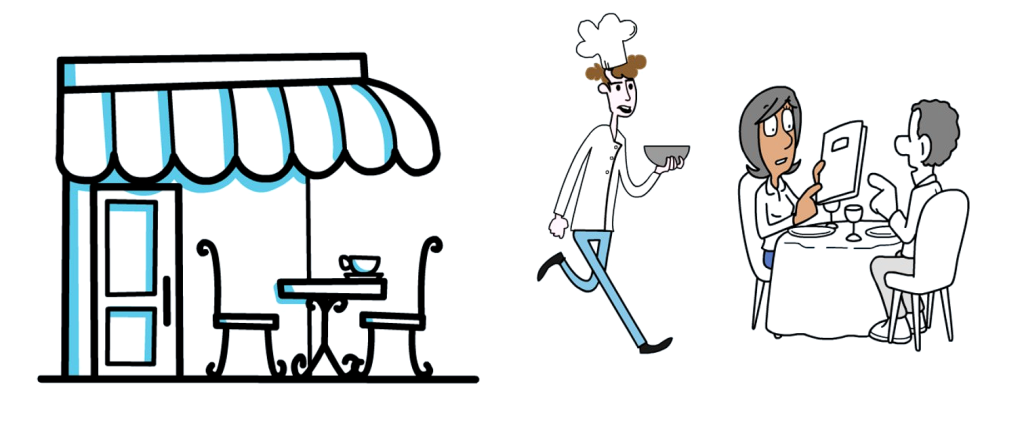
Let’s travel back to 1920s Vienna. A young psychology student, Bluma Zeigarnik, is sitting in a crowded café with her professor, Kurt Lewin. They notice something strange: the waiters hold dozens of complex orders in their heads without writing a single thing down. But the moment the bill is paid—poof! The waiter instantly forgets everything: who had the schnitzel and who drank the black coffee.
Zeigarnik ran a series of experiments. She gave participants simple tasks: puzzles, clay modeling, or math problems. She let half of them finish, while the other half were interrupted midway. The result was stunning: those who were interrupted remembered the details of their tasks 90% better than those who had finished them.
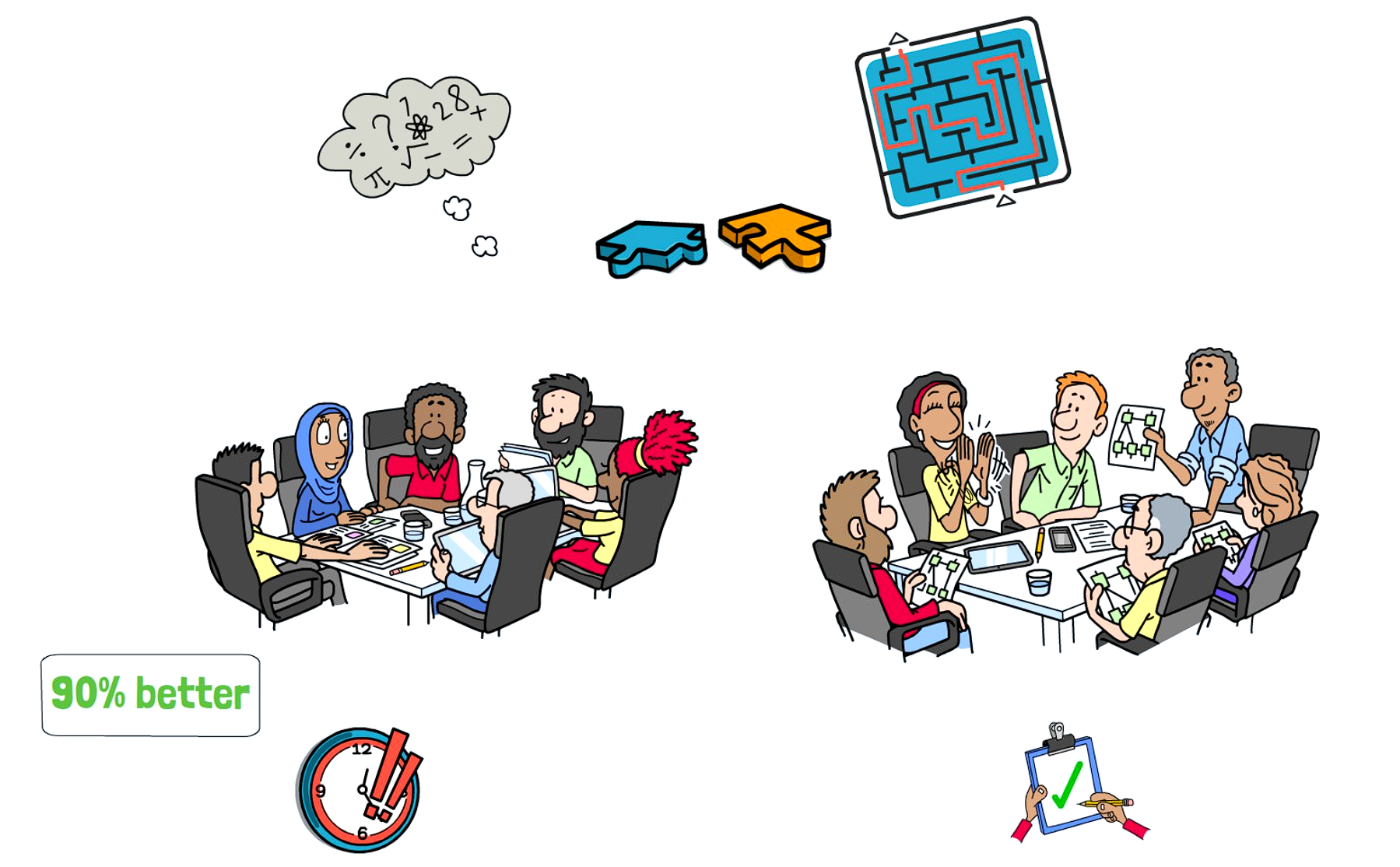
Why? Our brain creates psychic tension around any unfinished action. To your mind, an incomplete task is a threat or a biological need that must be satisfied. Energy is released but not spent, turning into that persistent itch in your subconscious.
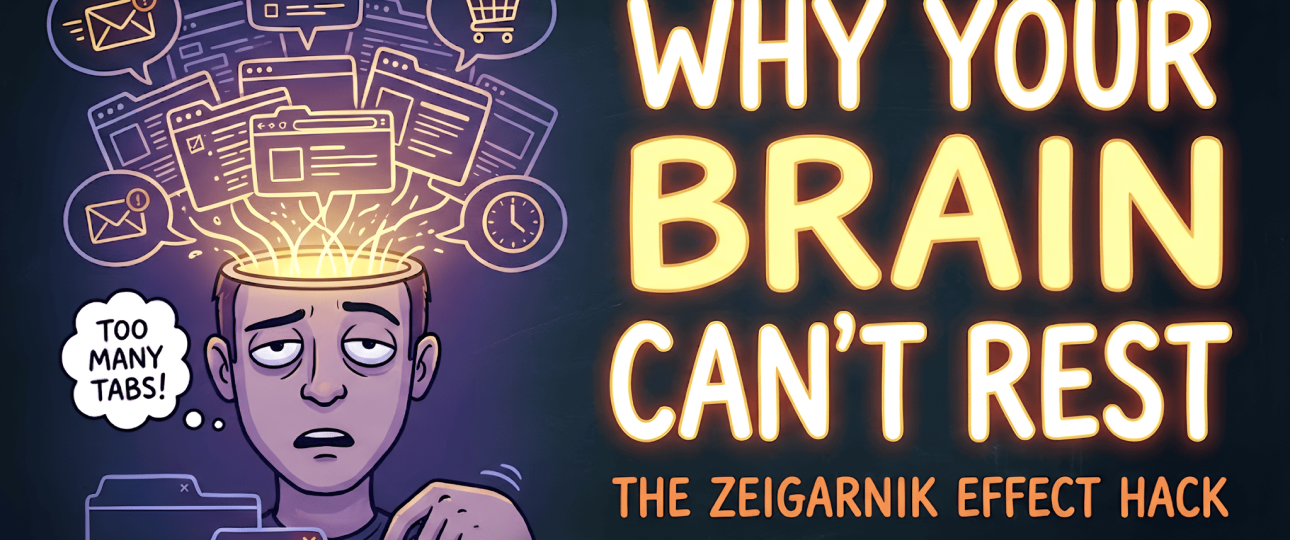
In the age of notifications, the Zeigarnik Effect is working against us. We are constantly opening new loops. You check your email—loop opened: I need to reply. You see an ad for sneakers—loop opened: Maybe I should buy those. Every loop is like an open tab in your brain’s browser. It silently drains your RAM. The result? By evening, you feel like a squeezed lemon, even if you haven’t done anything extraordinary. This is called Cognitive Load.
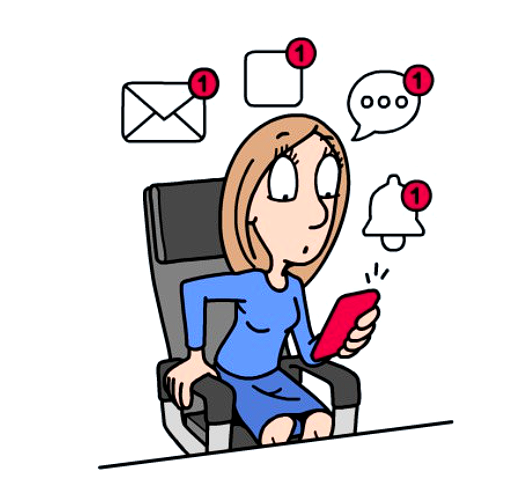
Moreover, the brain doesn’t distinguish between priorities. To your subconscious, buying toilet paper and finishing a major project carry the same Open Loop status. It will remind you about the paper with the same urgency as the project, creating a background hum of anxiety.Lorem ipsum dolor sit amet, consectetur adipiscing elit. Ut elit tellus, luctus nec ullamcorper mattis, pulvinar dapibus leo.
So, how do we fight back? Here are four practical hacks.
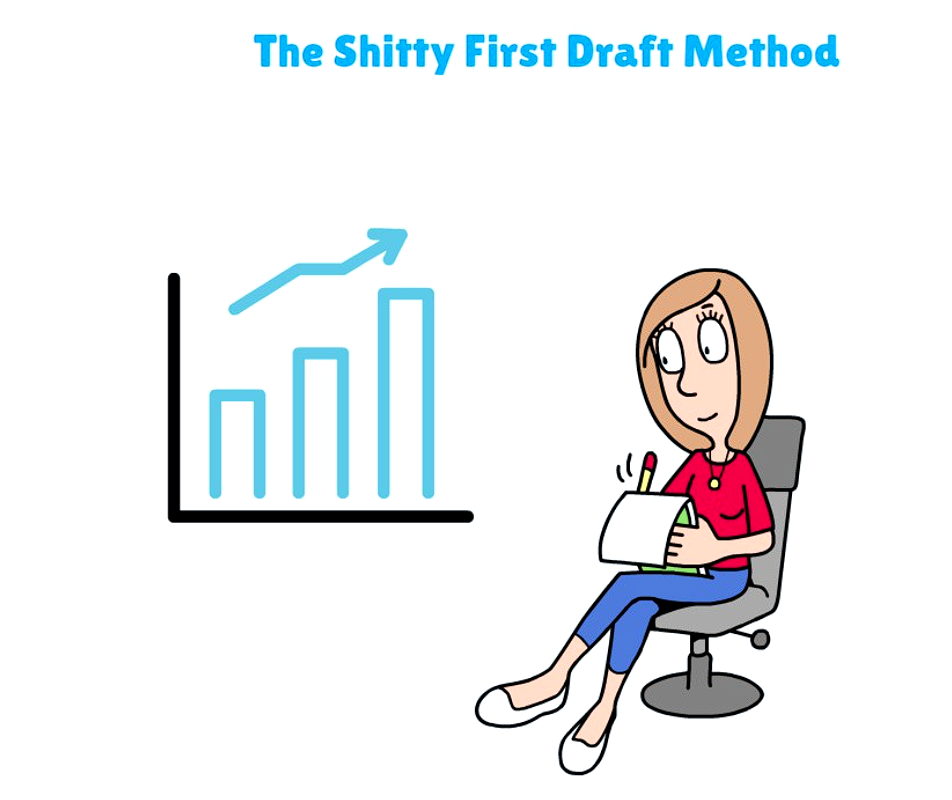
Hack number one: The Shitty First Draft Method. Starting is the hardest part. Use the Zeigarnik Effect in your favor. Write just one sentence of a report or sketch out a rough plan. Your brain will register that the process has started and will push you to finish it just to get rid of the tension.
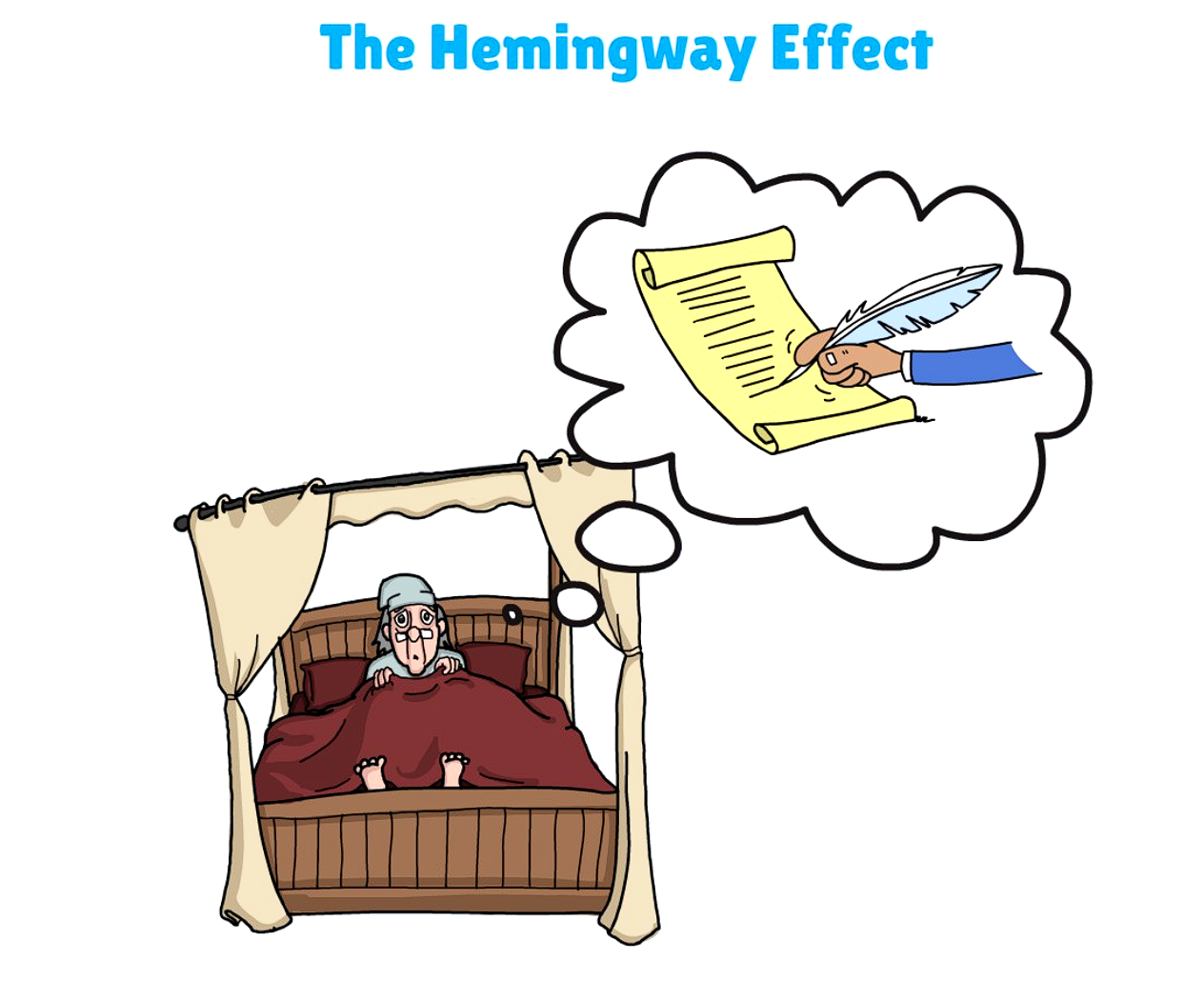
Hack number two: The Hemingway Effect. The great writer Ernest Hemingway always stopped in the middle of a sentence when he knew exactly what came next. Why? So that the next morning, he already had an open loop to pull him back to his desk without the dread of a blank page.
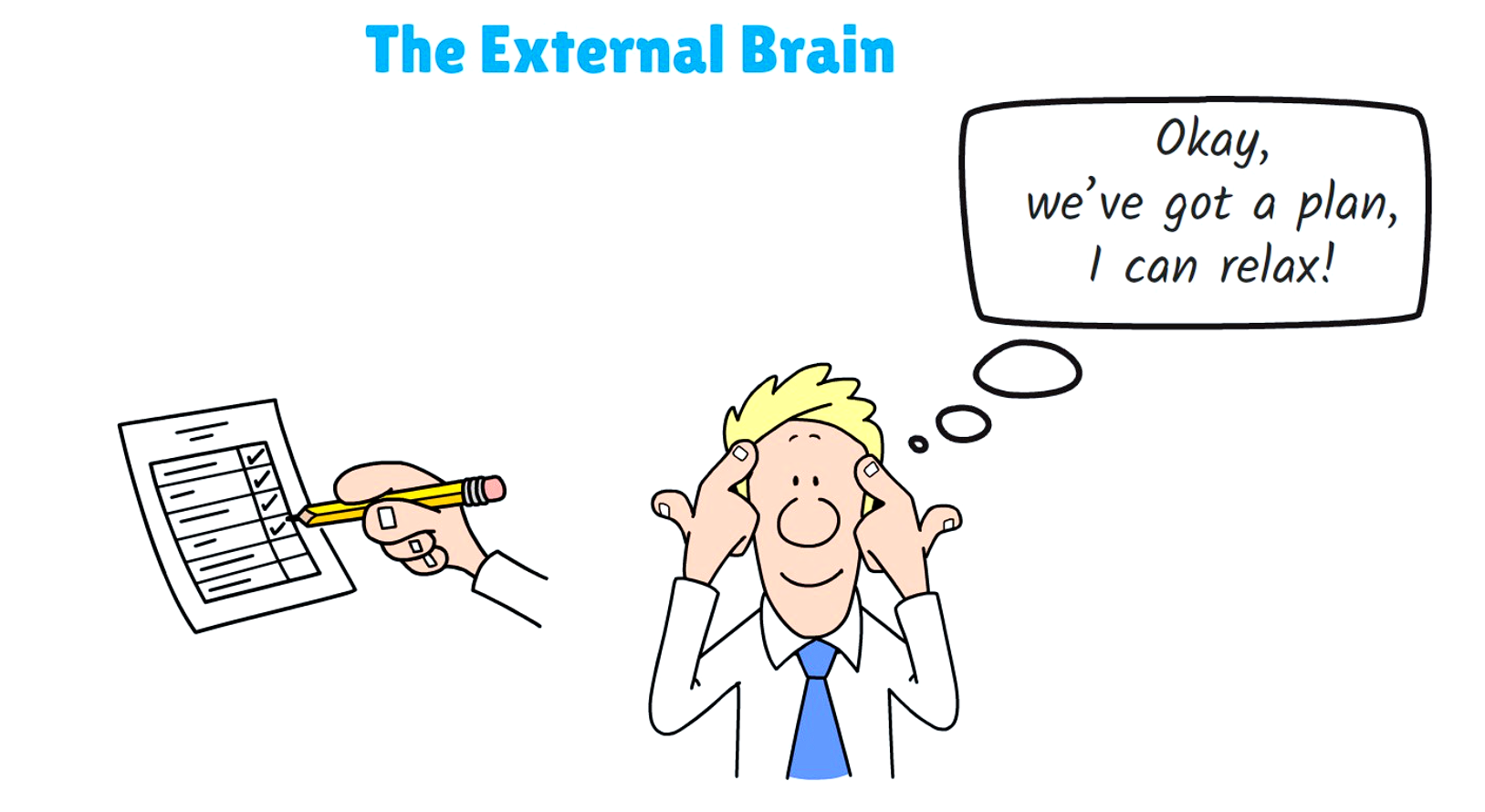
Hack number three: The External Brain. The moment a must-do thought pops up—dump it. Write it in a notebook or an app. Research shows that making a specific plan to finish a task reduces the Zeigarnik Effect almost to zero. The brain checks the box: Okay, we’ve got a plan, I can relax.
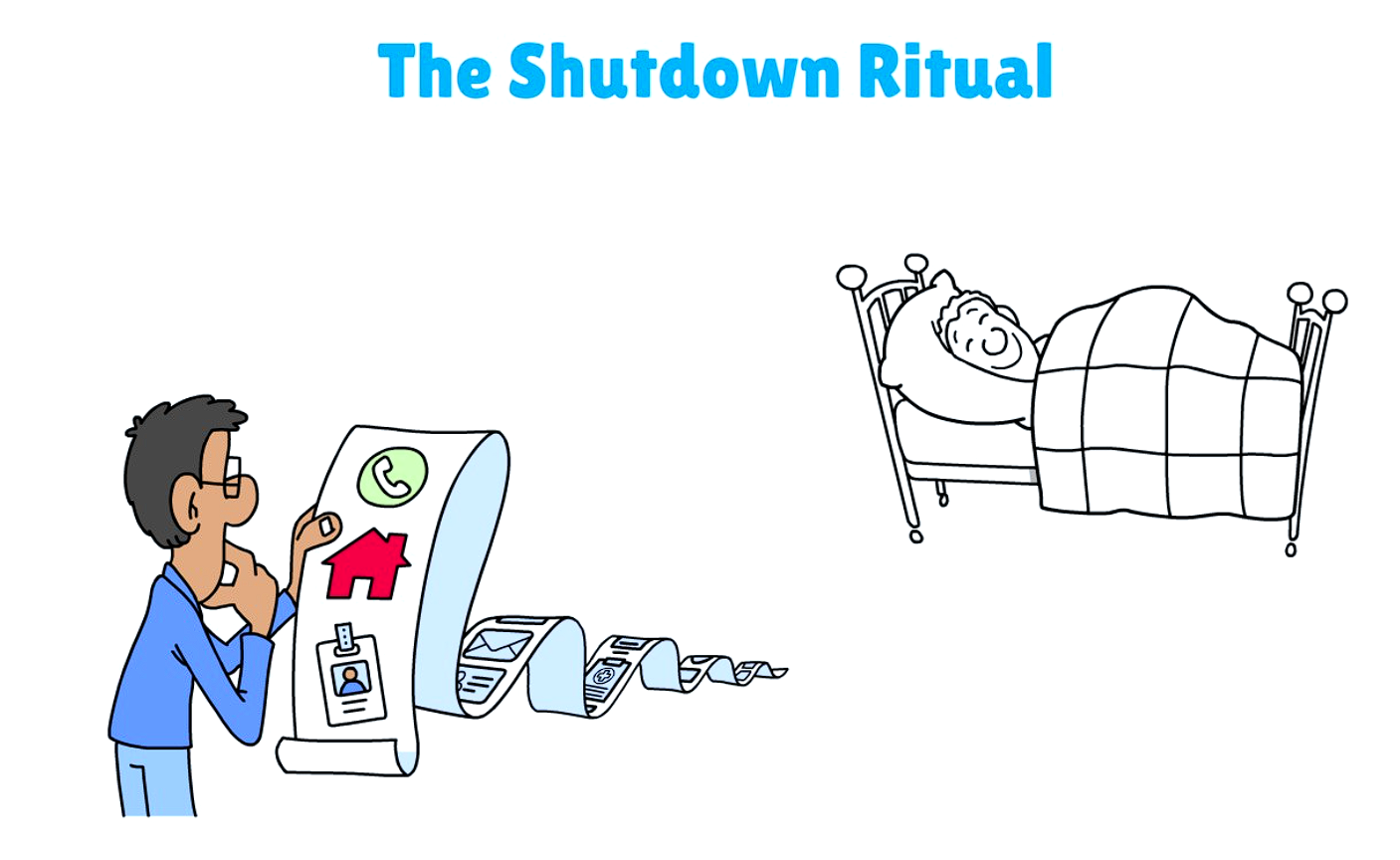
Hack number four: The Shutdown Ritual. At the end of your workday, write down every unfinished task for tomorrow. This literally flips the switch to off-mode, allowing you to actually rest in the evening instead of replaying tasks in your head.
We can’t biologically force our brains to stop worrying about unfinished business. But we can learn to manage these loops. Remember: your energy is limited. Don’t let trivial tasks steal it from your big goals. Close your old tabs, dump the mental clutter onto paper, and give your processor the rest it deserves.
If you feel like the mental noise is becoming too much, try our deep focus practices in the Subtle Sync catalog. They are designed to help you reboot the system and tune your brain to a productive, stress-free wave. See you in the next one!