
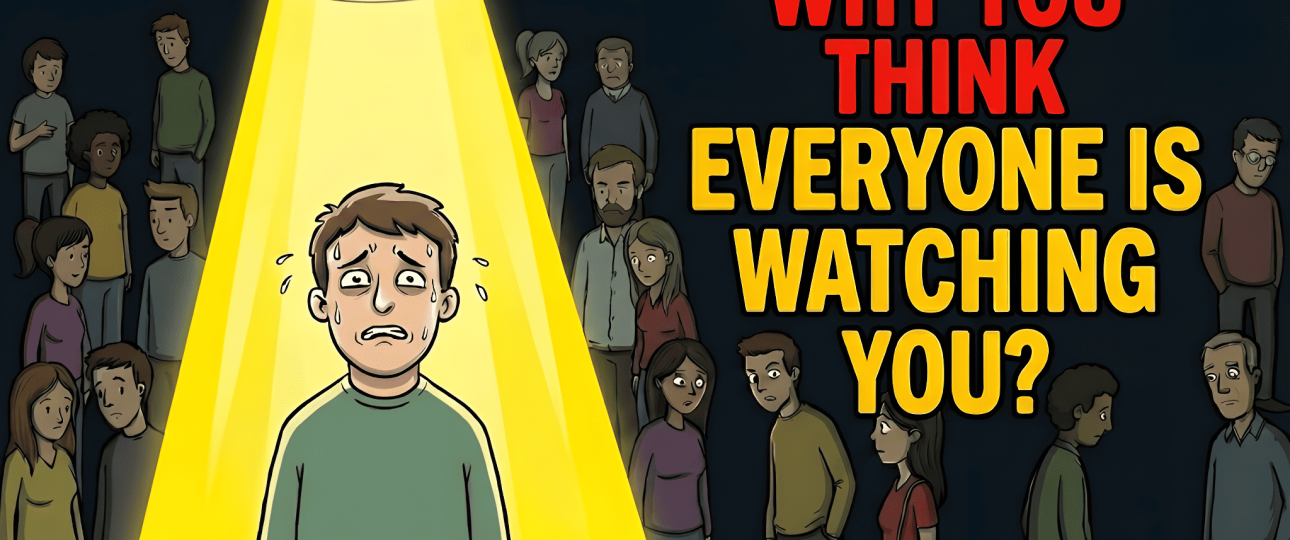
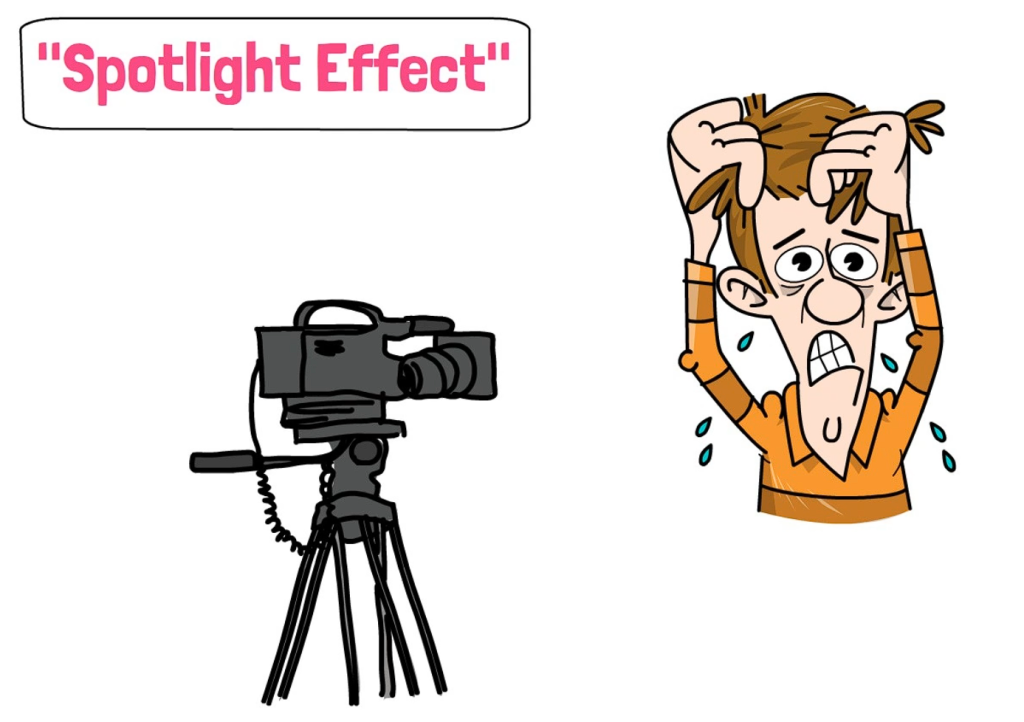
 In the year 2000, psychologist Thomas Gilovich and his team conducted a now-classic experiment. They asked a group of students to wear a T-shirt featuring a large image of Barry Manilow — which, for a college student at the time, was considered peak “uncool.”
 The students were then asked to walk into a room full of their peers. Afterward, they were asked to estimate how many people noticed the “embarrassing” shirt. Most students were convinced at least 50% of the room had seen it.
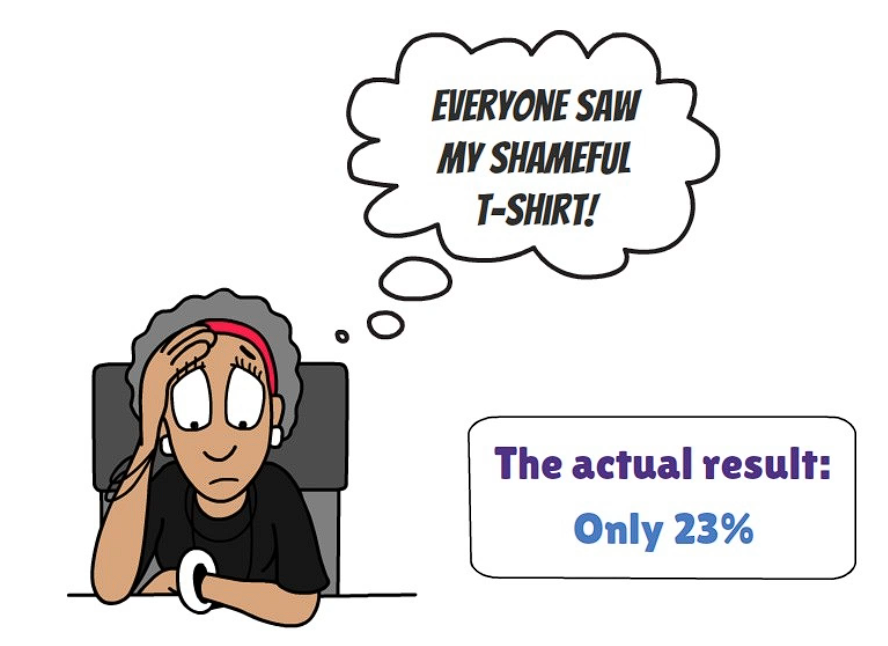

The “Mismatched” Test (Hypothesis Testing): Purposefully do something slightly “off.” Wear two different colored socks or a shirt with a tiny, harmless stain. Go through your day and count how many people actually comment on it. You’ll find that 99% of the world doesn’t even look at your feet. This is “Exposure Therapy” for your social ego.
 The Observer Game: Go to a crowded place — a mall or a park. Sit down and just watch people. Try to find “flaws” in others. You’ll realize how much effort it takes to actually notice someone’s awkward gait or messy hair. If you aren’t judging them, why would they be judging you?
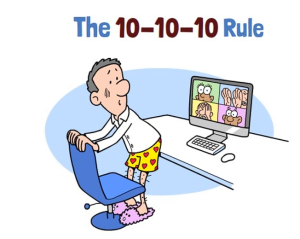 The 10-10-10 Rule: When you feel that wave of shame after a social blunder, ask yourself: Will this matter in 10 minutes? 10 months? 10 years? If it won’t matter in 10 months, it’s not worth 10 minutes of your current anxiety.
The truth is: You are the lead actor in your life, but to everyone else, you’re just an extra in the background of their story. And that is the most liberating thought you can have. Stop performing for an audience that isn’t even watching. Go out there, take risks, and be yourself. The spotlight isn’t real. You’re free.