
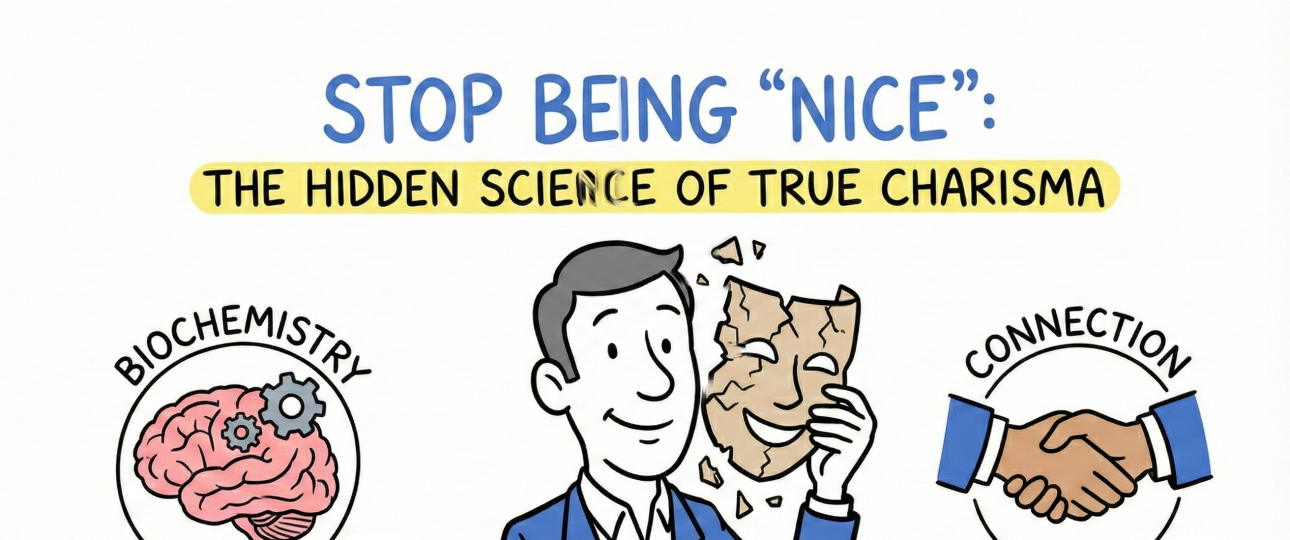
Have you ever wondered why some people walk into a room and instantly become the center of attention, while others go unnoticed—even if they’re figuratively juggling flaming torches? It’s a common myth that charisma is a “genetic lottery” or a magical gift. In reality, it is a complex cocktail of psychology, biology, and evolutionary settings.
Today, we’re breaking down how to hack the system of likability and exploring why the common advice to “just be yourself” can sometimes be the very thing holding you back.
Visual learners, this one’s for you! Catch the full breakdown in the video below.
1. The Halo Effect: Why First Impressions Are Sticky
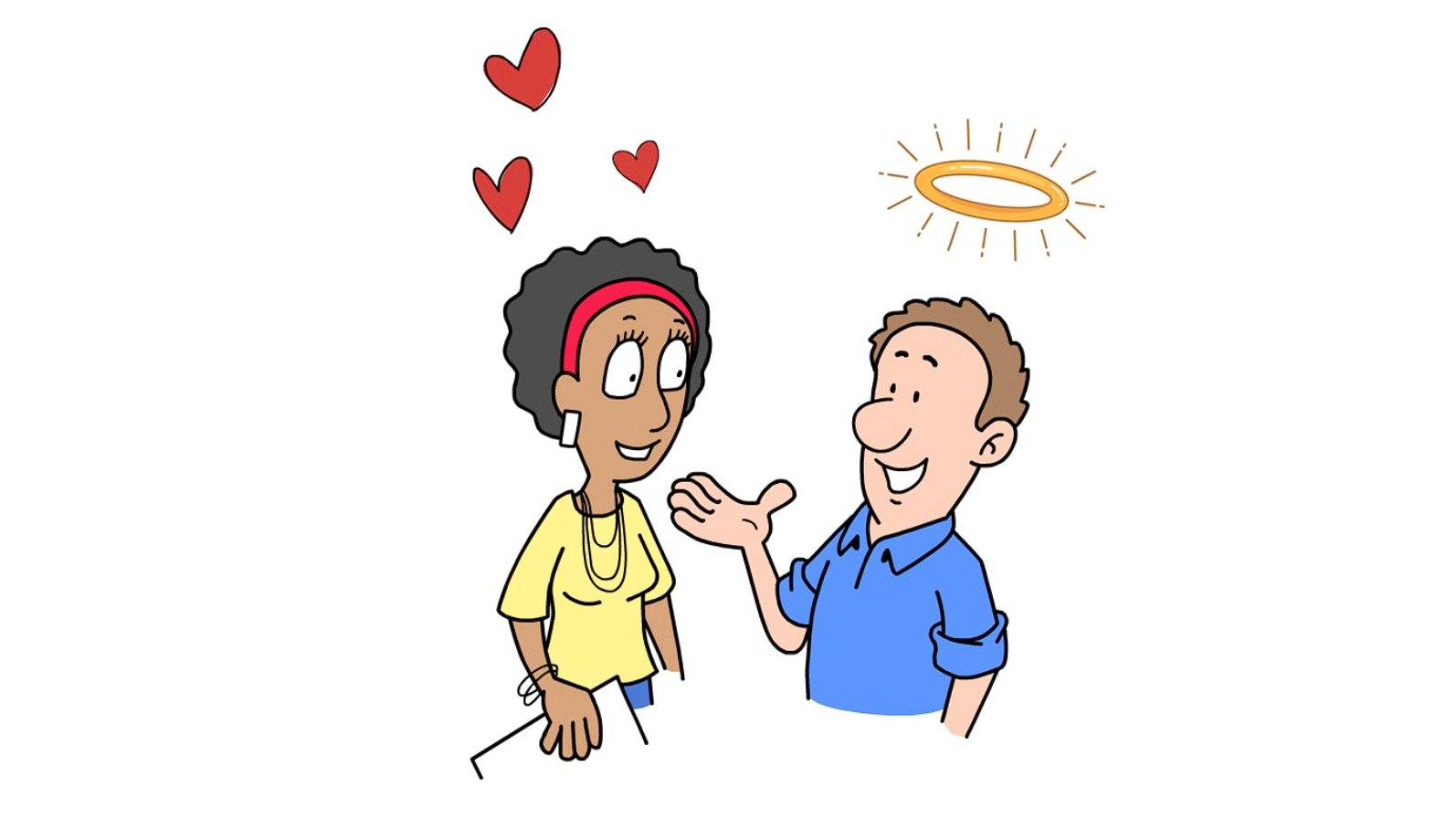
Our brains are inherently lazy. To save energy, they use shortcuts, one of the most powerful being the Halo Effect. First described by psychologist Edward Thorndike, this cognitive bias suggests that if we like one specific trait in a person (such as their appearance or confidence), our brain automatically “fills in” the rest, assuming they are also intelligent, kind, and capable.
This is why we often find ourselves trusting handsome actors in commercials even when they discuss complex subjects like quantum physics. To leverage this, pay attention to your “entry points.” Maintaining a straight posture sends an immediate signal to the other person’s amygdala: “This person is confident; they are not a threat.”
2. The Biochemistry of Connection
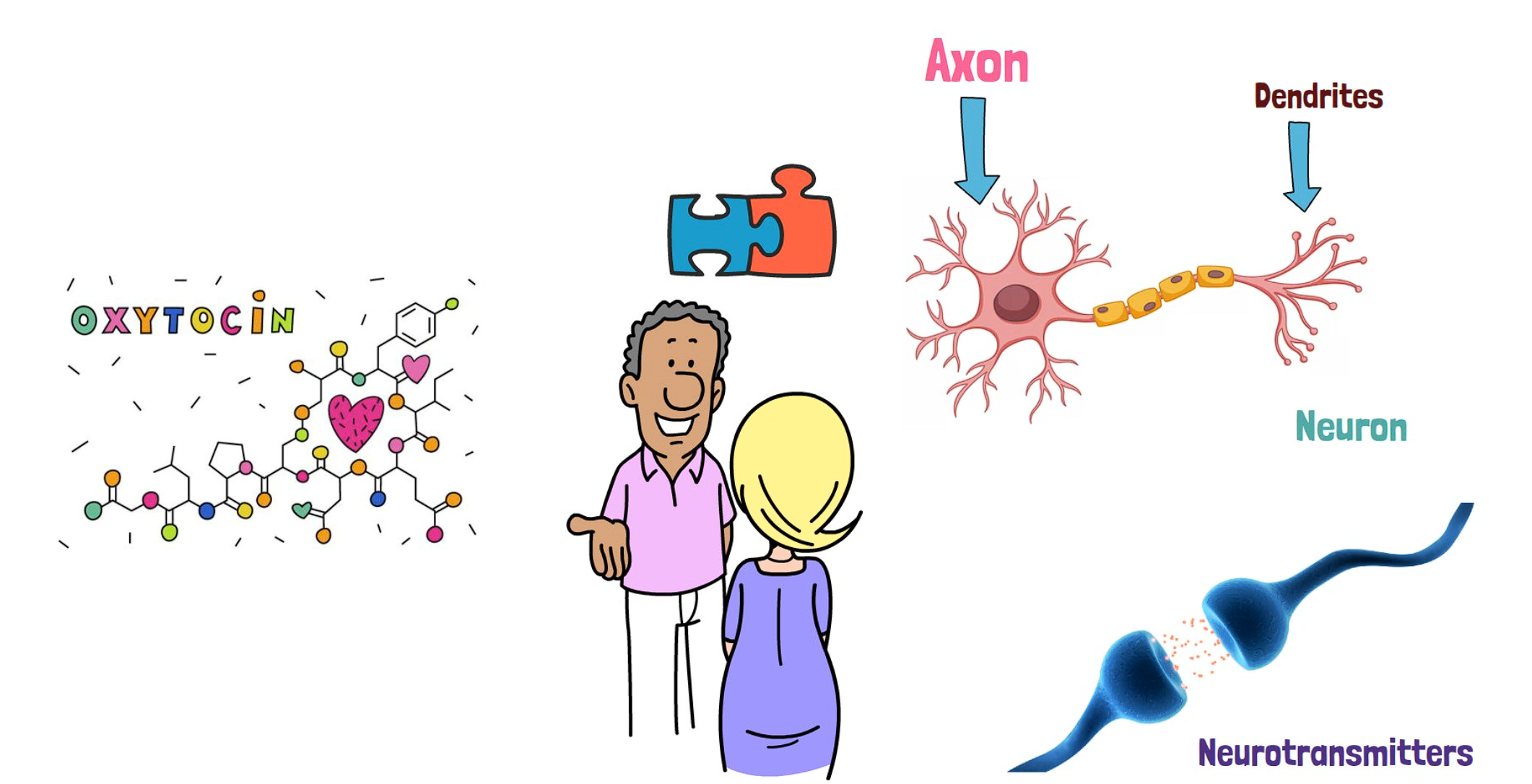
When we interact, a literal chemical rave happens in our heads. The VIP guest is Oxytocin, often called the “hormone of trust and bonding.” It is released whenever we feel a sense of belonging or safety.
The “hack” here lies in mirror neurons. If you are genuinely happy to meet someone, their brain will begin to “mirror” your emotional state. You are essentially infecting them with your good mood. However, the opposite is also true: if you are nervous and closed off, others will often feel an unexplained sense of anxiety around you.
3. The Pratfall Effect: The Power of Imperfection
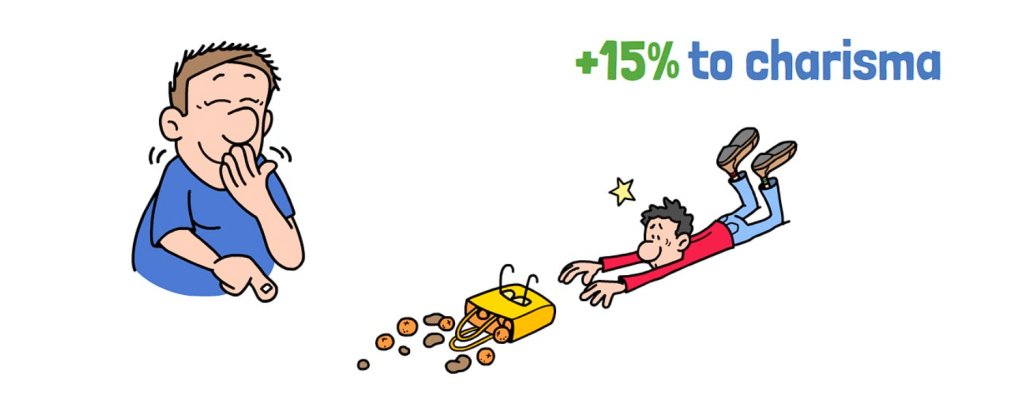
Many believe that to be liked, they must appear perfect. In reality, perfection is often perceived as intimidating or cold. This is where the Pratfall Effect comes in.
Social psychologist Elliot Aronson proved that an expert who makes a small mistake—like accidentally spilling coffee—is perceived as significantly more likable than one who is flawless. A small blunder makes you relatable and “human.” The key is self-irony; being able to laugh at your own mishaps is a charismatic person’s ultimate armor.
4. The Benjamin Franklin Effect: The Favor Paradox
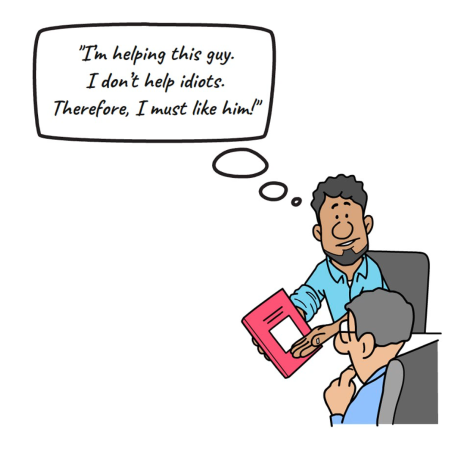
If you want to win someone over, your instinct might be to do them a favor. However, the Benjamin Franklin Effect suggests the opposite: you should ask them for a favor.
Franklin discovered this when he won over a hostile colleague by asking to borrow a rare book. This works due to cognitive dissonance. The other person’s brain thinks: “I’m helping this person. I don’t help people I dislike. Therefore, I must actually like them!” Asking for a small favor or advice is the shortest path to triggering someone else’s dopamine.
5. The 7-38-55 Rule: Mastering Non-Verbal Cues
Professor Albert Mehrabian derived a famous formula for communication that every charismatic leader understands:
7% is your words.
38% is your tone of voice.
55% is your body language.
If your words say, “I’m glad to see you,” but your arms are crossed and your face is stone-cold, the listener’s brain will always believe your body over your speech. Charisma happens when your words and your body sing in unison.
The Charisma Workout: 3 Practical Techniques
Charisma is a muscle. It doesn’t grow from passive observation; it grows through practice. Here are three techniques to rewire your social presence:
Technique №1: The Eye Color Anchor
Often, we fail to connect because we aren’t truly “present”—we are stuck in our thoughts or distracted by our phones.
The Task: In your next conversation, make it your goal to determine the exact color of the other person’s eyes. Not just “brown,” but “the color of dark mahogany.”
Why it works: This forces the perfect length of eye contact and activates your frontal lobes, making the other person feel incredibly important.
Technique №2: The “Golden Thread”
Charismatic leaders naturally take up space.
The Task: Imagine an invisible golden thread attached to the top of your head, pulling you upward.
Why it works: Your shoulders will drop and your chest will open naturally. Research by Amy Cuddy suggests that such “power posing” can lower cortisol (stress) and boost testosterone, making you feel—and appear—in control.
Technique №3: Mental Warming
Our brains struggle to distinguish reality from vivid imagination.
The Task: Before a meeting, spend 20 seconds thinking of someone you sincerely love (even a pet).
Why it works: This triggers an initial dose of oxytocin. When you enter the room, your face will be naturally relaxed and your smile will be genuine, leading to positive emotional contagion.

Final Thought: True charisma is not about how cool you are. It’s about how cool the other person feels when they are in your presence.
And if you want to try one of our tools to develop your self-confidence, take a look here:
Reclaiming Confidence: From Knowing to Doing
